|
 |
|
Specifications |
| Issued |
2003 |
| Diameter |
28.4mm |
| Weight |
12g |
| Composition |
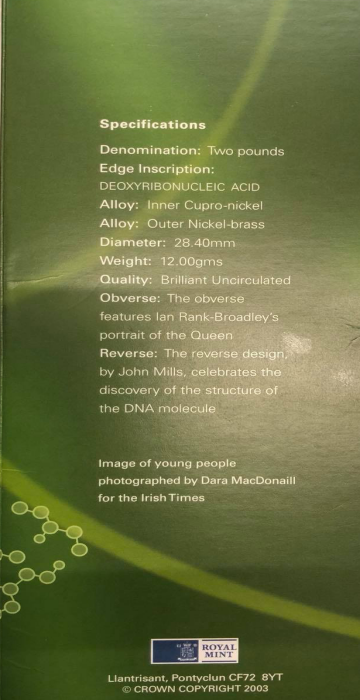
Outer: nickel-brass 76%
copper, 4% nickel, 20% zinc |
| Composition |
Inner: Cupro-nickel 75%
copper, 25% nickel |
| Obverse |
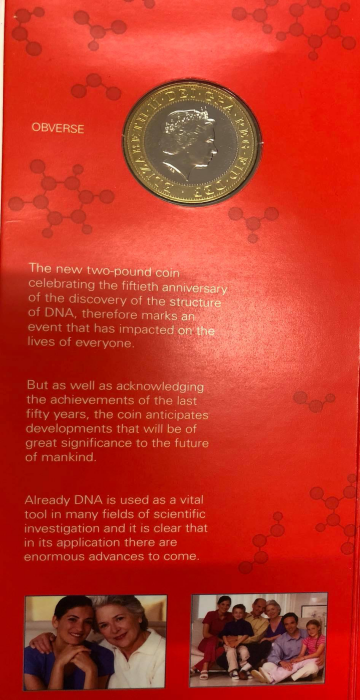
Ian Rank-Broadley |
| Reverse |
John Mills |
| Edge |
Milled |
| Inscription |
Deoxyribonucleic acid |
| Mintage |
4,299,000 |
| |
|
|
B.U pack |
C |
 |
|
£6.95 |
L |
| 2003 |
I |
|
UKDNABU |
C |
|
Sold |
14,105 |
K |
|
|
Design
details:
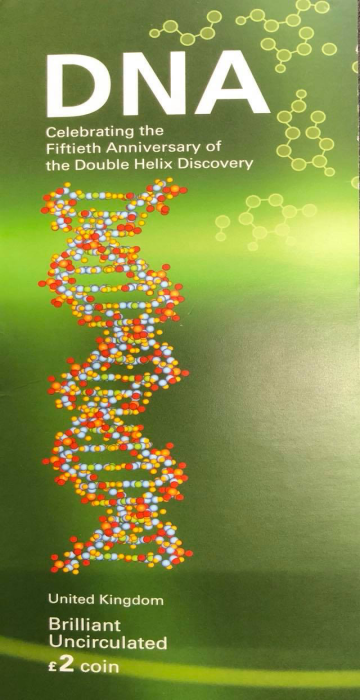
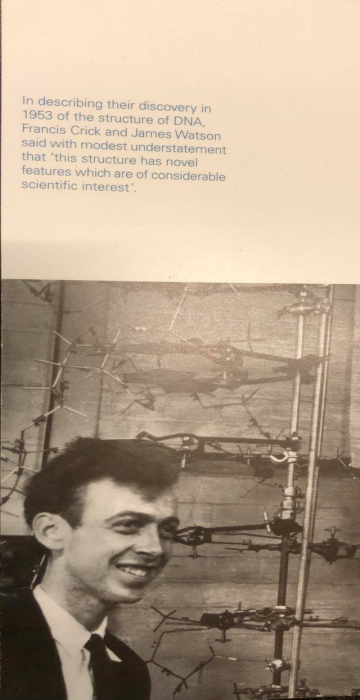
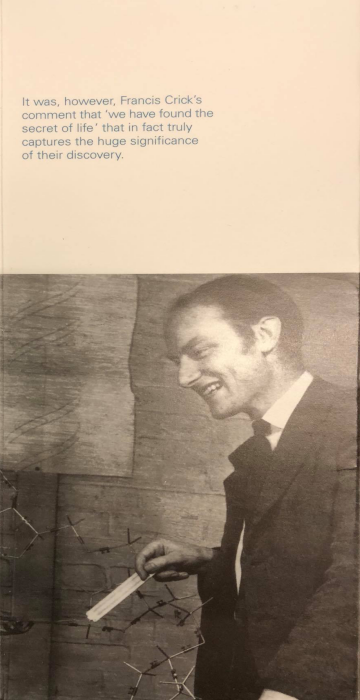
In 1953 two scientists discovered the structure of DNA. The true
significance of their research was perhaps not fully understood at the
time but today DNA is used as a vital tool in many fields of science,
including forensics, medicine and genetics. To commemorate the 50th
anniversary of what is arguably the most important scientific development
of the twentieth century, The Royal Mint issued a new two-pound coin. The
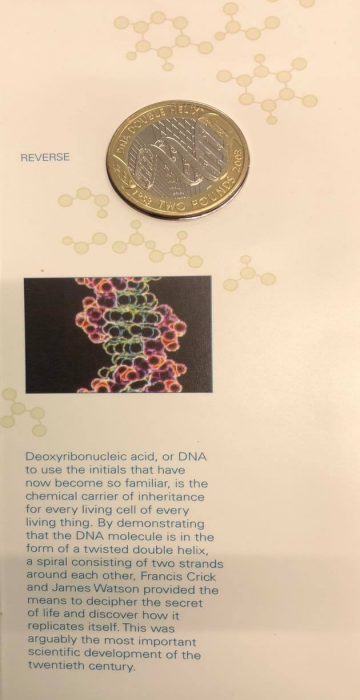
reverse design is the work of the sculptor John Mills. It features the
double helix spiralling across the face of the coin, highlighting the
strands of chromosomes and the familiar letter notations for the four
basic building blocks.
text source and credit the Royal Mint |