|
Alfred the Great |
|||||||||||||||||||||||||||||||||||||||||||||||||||||||||||||||
 |
 |
|
|||||||||||||||||||||||||||||||||||||||||||||||||||||||||||||
| © The Royal Mint Ltd | |||||||||||||||||||||||||||||||||||||||||||||||||||||||||||||||
|
|
 |
 |
 |
||||||||||||||||||||||||||||||||||||||||||||||||||||||||||||
 |
 |
 |
 |
||||||||||||||||||||||||||||||||||||||||||||||||||||||||||||
|
Design details: King of the Anglo-Saxons....
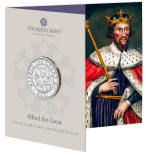
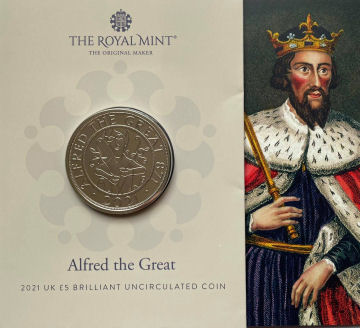
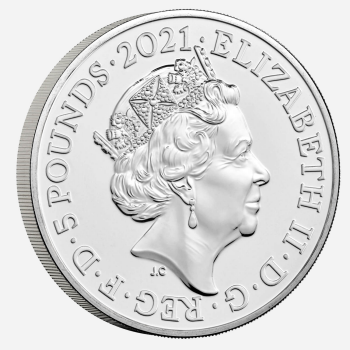
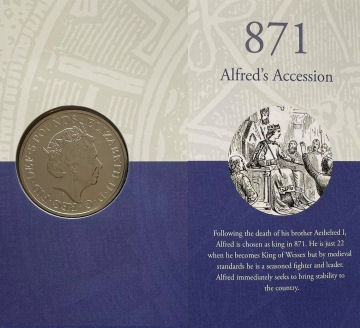
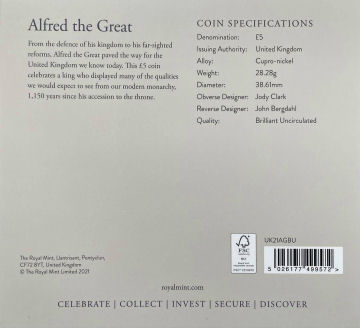
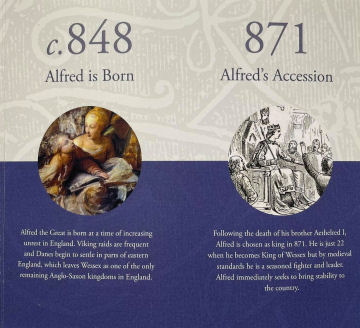
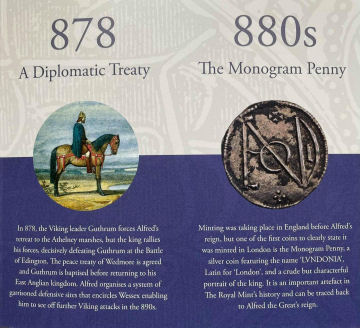
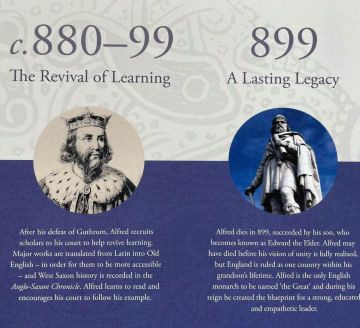
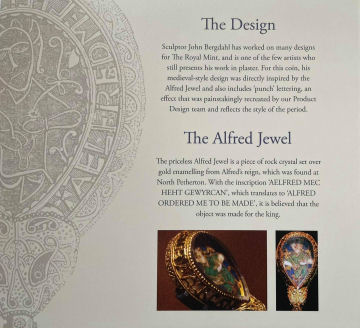
Alfred the Great (849-899) was the most famous of the Anglo-Saxon kings. Despite overwhelming odds he successfully defended his kingdom, Wessex, against the Vikings. He also introduced wide-ranging reforms including defence measures, reform of the law and of coinage. As an administrator Alfred advocated justice and order and established a code of laws and a reformed coinage. He had a strong belief in the importance of education and learnt Latin in his late thirties. He then arranged, and himself took part in, the translation of books from Latin to Anglo-Saxon he became King in 871. This interpretation on the coin is certainly 'different' and is inspired by a very priceless Anglo-Saxon relic, the Alfred Jewel, and features an inscription taken from the artefact, 'AELFRED MEC HEHT GEWYRCAN' which translates as ‘ALFRED ORDERED ME TO BE MADE’. (Precious metals)
|
|||||||||||||||||||||||||||||||||||||||||||||||||||||||||||||||
|
|||||||||||||||||||||||||||||||||||||||||||||||||||||||||||||||