|
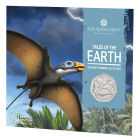
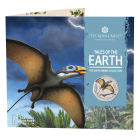
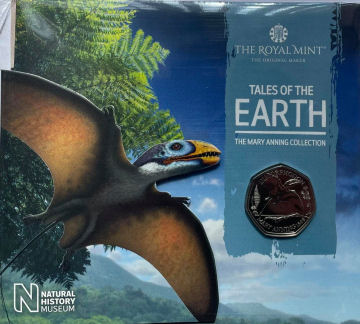
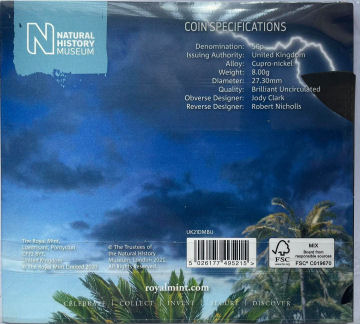
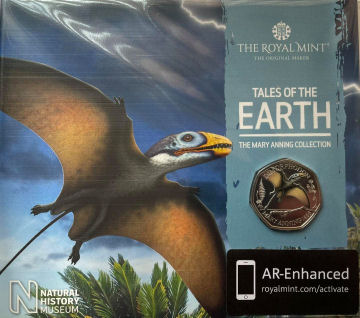
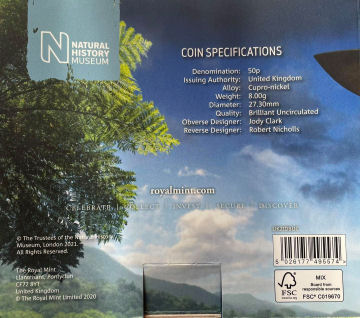
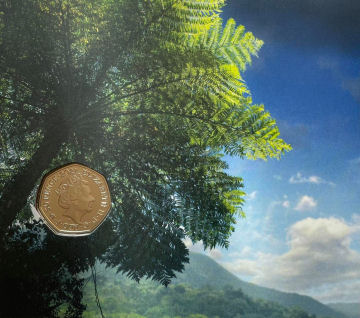
Dimorphodon 50p |
|||||||||||||||||||||||||||||||||||||||||||||||||||||||||||||||||||||||||||||||||||||||||||||||||||||||||||||||||||||||||||||||||||||||||||
 |
 |
|
|||||||||||||||||||||||||||||||||||||||||||||||||||||||||||||||||||||||||||||||||||||||||||||||||||||||||||||||||||||||||||||||||||||||||
| © The Royal Mint Ltd | |||||||||||||||||||||||||||||||||||||||||||||||||||||||||||||||||||||||||||||||||||||||||||||||||||||||||||||||||||||||||||||||||||||||||||
|
|
 |
 |
 |
||||||||||||||||||||||||||||||||||||||||||||||||||||||||||||||||||||||||||||||||||||||||||||||||||||||||||||||||||||||||||||||||||||||||
| B.U coloured pack below L.E.P 50k, free box with subscription | |||||||||||||||||||||||||||||||||||||||||||||||||||||||||||||||||||||||||||||||||||||||||||||||||||||||||||||||||||||||||||||||||||||||||||
 |
 |
 |
 |
||||||||||||||||||||||||||||||||||||||||||||||||||||||||||||||||||||||||||||||||||||||||||||||||||||||||||||||||||||||||||||||||||||||||
|
Design details: Two formed tooth....
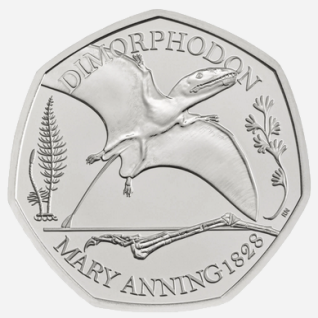
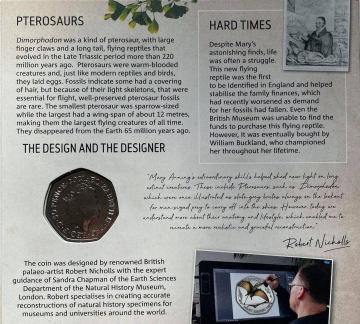
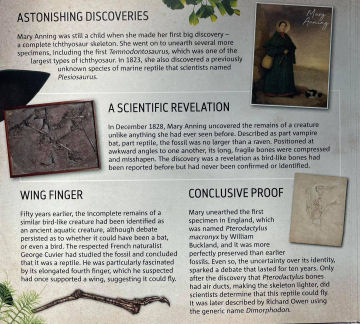
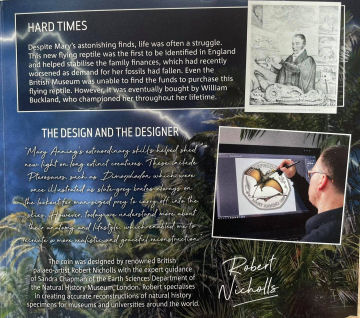
The fossilised wing bones illustrated on the Dimorphodon coin are a part of a famous fossil discovered by Mary Anning in 1828. It was first described as Pterodactylus (Buckland 1829), but it is now known as Dimorphodon macronyx, and again forms part of the Natural History Museum’s collection. Pterosaurs, such as Dimorphodon, were once illustrated as slate grey toothy brutes always on the lookout for man-sized prey to carry off into the skies. However, today we understand more about their anatomy and diverse lifestyles which enabled me to reconstruct Dimorphodon more realistically and gracefully. To the left of Dimorphodon is the horsetail Equisetum and to the right are the leaves of a Jurassic Gingko.
|
|||||||||||||||||||||||||||||||||||||||||||||||||||||||||||||||||||||||||||||||||||||||||||||||||||||||||||||||||||||||||||||||||||||||||||
|
|||||||||||||||||||||||||||||||||||||||||||||||||||||||||||||||||||||||||||||||||||||||||||||||||||||||||||||||||||||||||||||||||||||||||||